About
Renzo Carbonel
entry points
nervous system
language of the body
receptivity and action
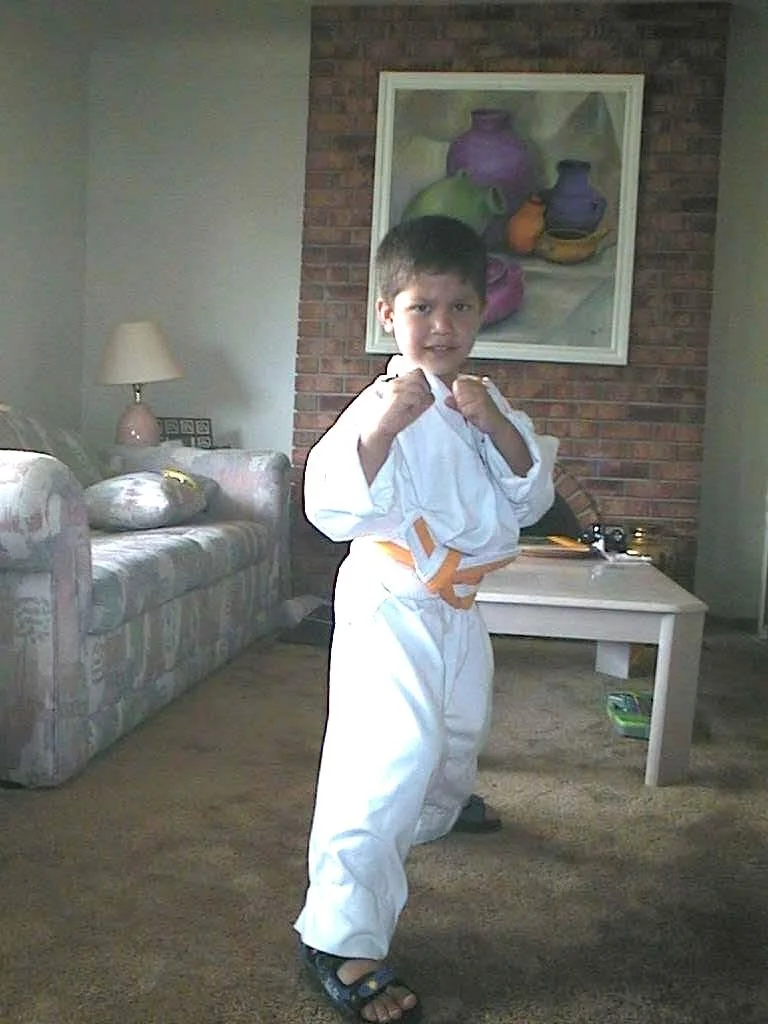
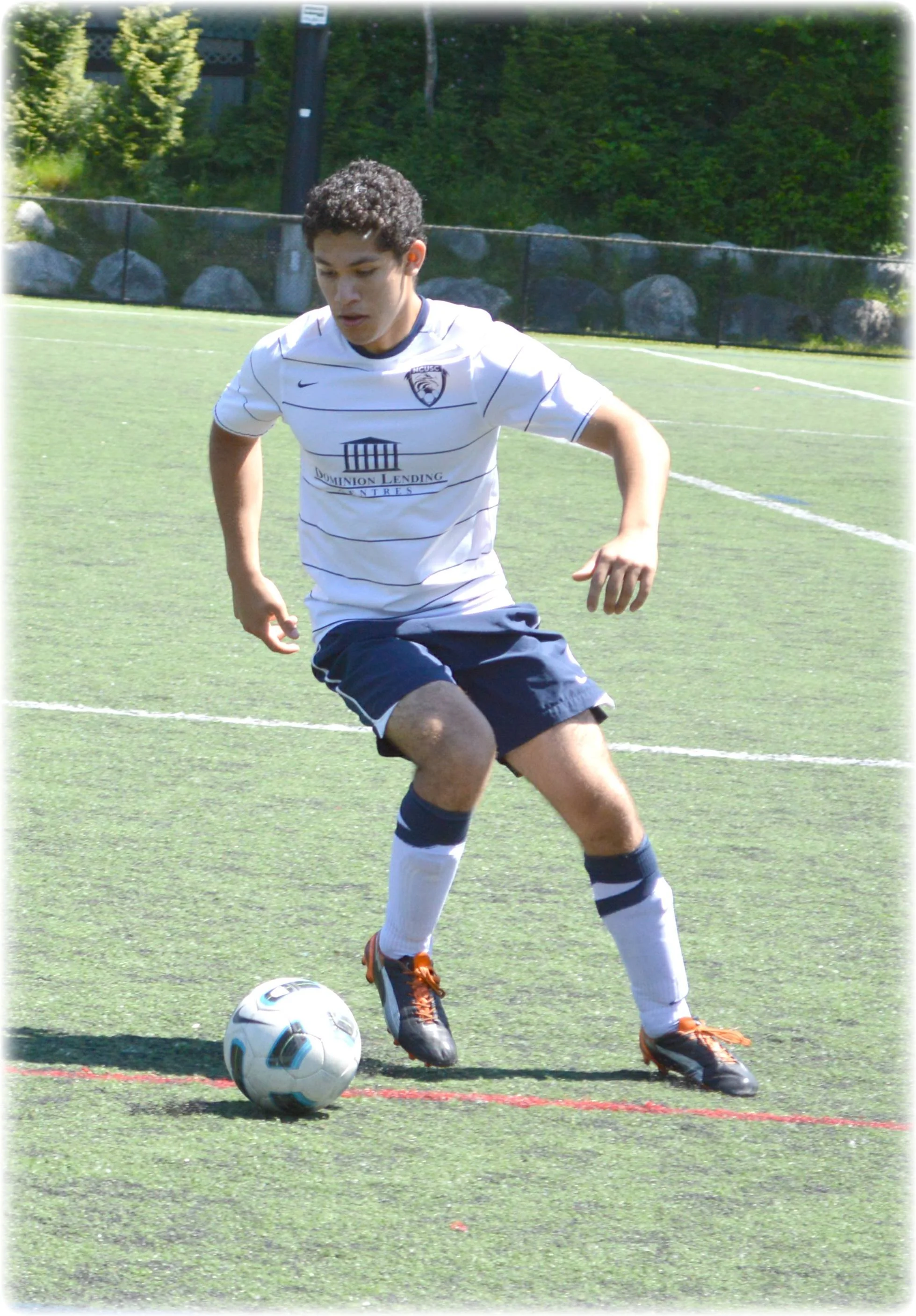
I’ve always loved movement. Before the injury that would change the course of my life, I spent most of my free time playing sports, working out with my dad, and consuming all the fitness-related content I could find. I enjoyed martial arts, soccer, board sports, weightlifting and calisthenics, breath work, acrobatics, and more; what I came to understand much later is that I love movement in all its forms.
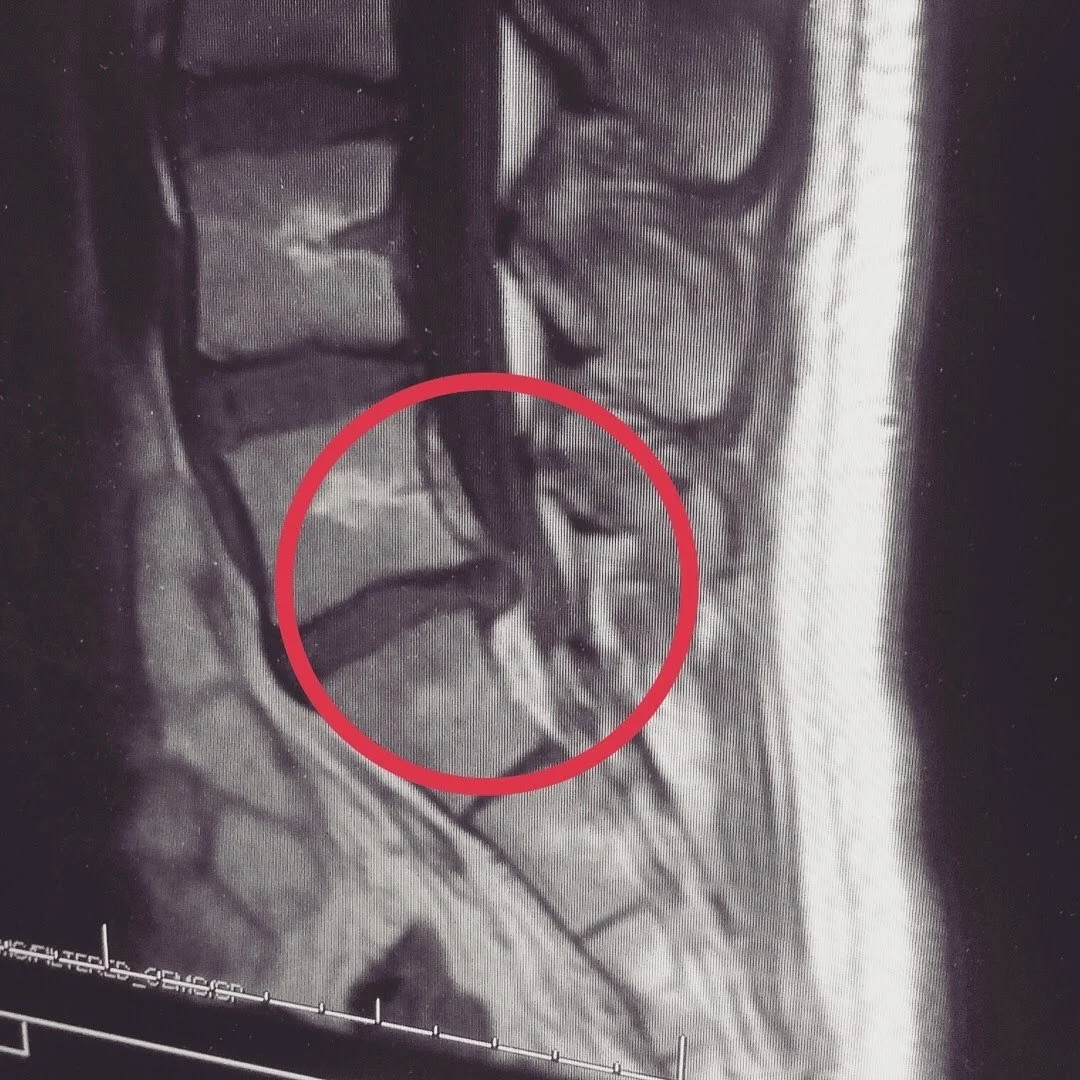
One day, I was working out and decided to push myself a bit harder than usual on the deadlift. I felt fine in the moment, but I woke up the next morning with a deep ache in my left hip. Over the course of the next month, that deep ache turned into a sharp pain that would shoot down the back of my left leg for the next four years. An MRI would later confirm that I had herniated two discs in my lower back. I was 18 years old.
“Any pain and dysfunction you still have after three years will likely become permanent.” Those were the words an orthopaedic surgeon said to me during our consultation after a year of trying various types of treatments and physical therapy. At that point, I was still I struggling through my pain. I had trouble getting out of bed, had to shift my posture constantly to get through my lectures, and couldn’t exercise or play any sports. I did the all the stretches and exercises that my therapists said would help, but nothing seemed to work.
Dealing with chronic pain was frustrating and exhausting. I was young and otherwise completely healthy, and yet I was forced to live a sedentary lifestyle just to avoid worsening the pain. Eventually I began to wonder if I would have to accept that this was my new reality, but even after a year of failed therapies, I couldn’t shake a deep sense of optimism and trust in my body’s ability to heal.
Even after a year of failed therapies, I couldn’t shake a deep sense of optimism and trust in my body’s ability to heal.
Driven by this confidence, I changed majors to study Human Kinetics. It was this gut decision that set me on a lifelong journey of discovery. I made it my mission to learn everything I could about the body so that I could figure out how to get my life back.
One day, as I was searching for sciatica rehab resources for what seemed like the thousandth time, I came across a video that recommended that I use the deadlift as a rehab tool. It really struck me, not only because deadlifting was what led to my pain four years prior, but because up until that point, my therapists had all told me to avoid deadlifting.
Having already tried everything else, I followed the coach’s cues and did my best to hinge into a deadlift position. It took a few minutes, but for the first time in years, I began to feel relief. At first I thought I had found the cure-all solution to sciatica, but really I had just found the solution to my pain. It was no coincidence that I found healing in the very thing that “caused” my injury. Slowly, I started to unravel the patterns of pain and tightness that had become so familiar to me, and eventually, I even started to feel like myself again.



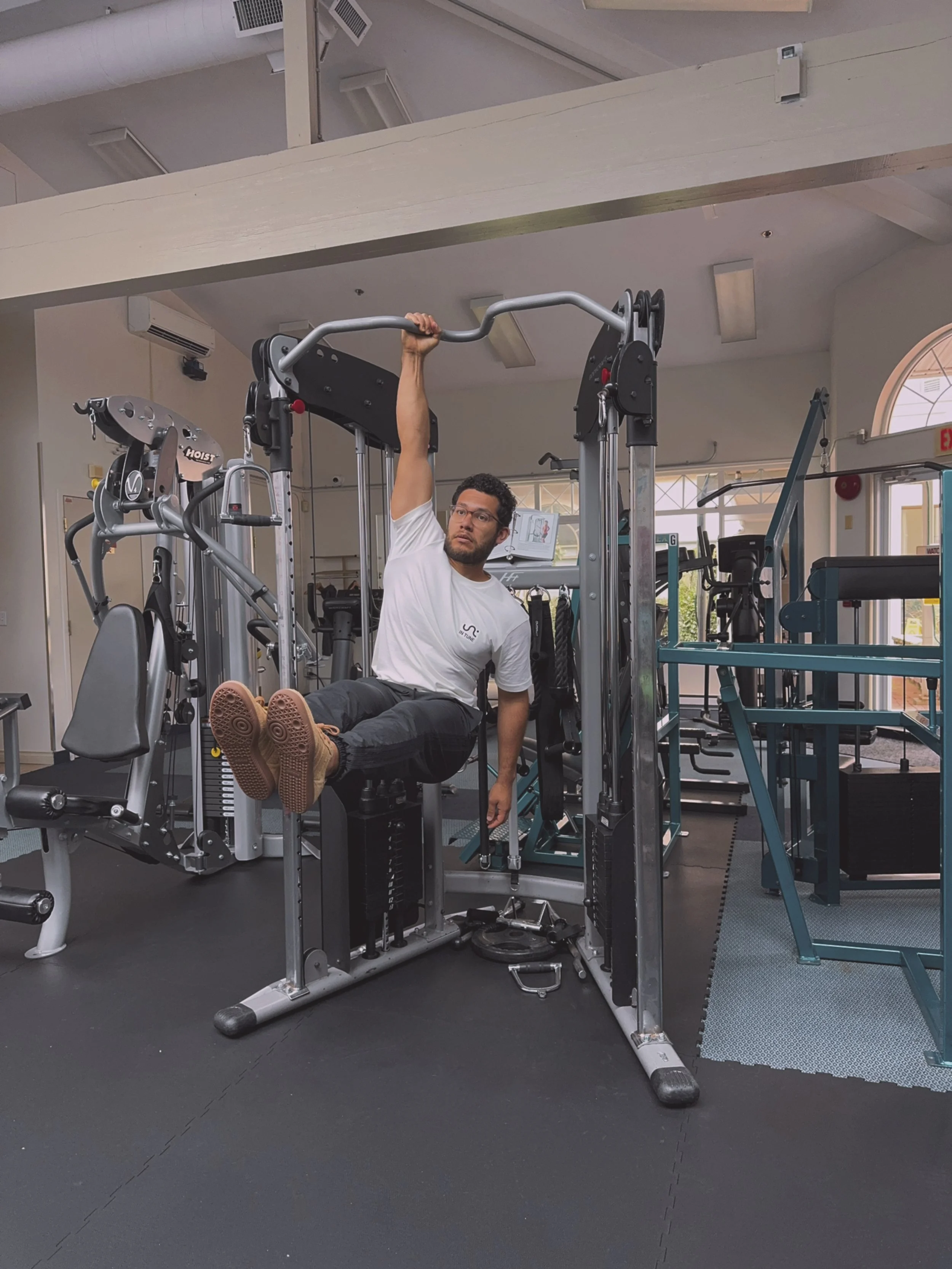
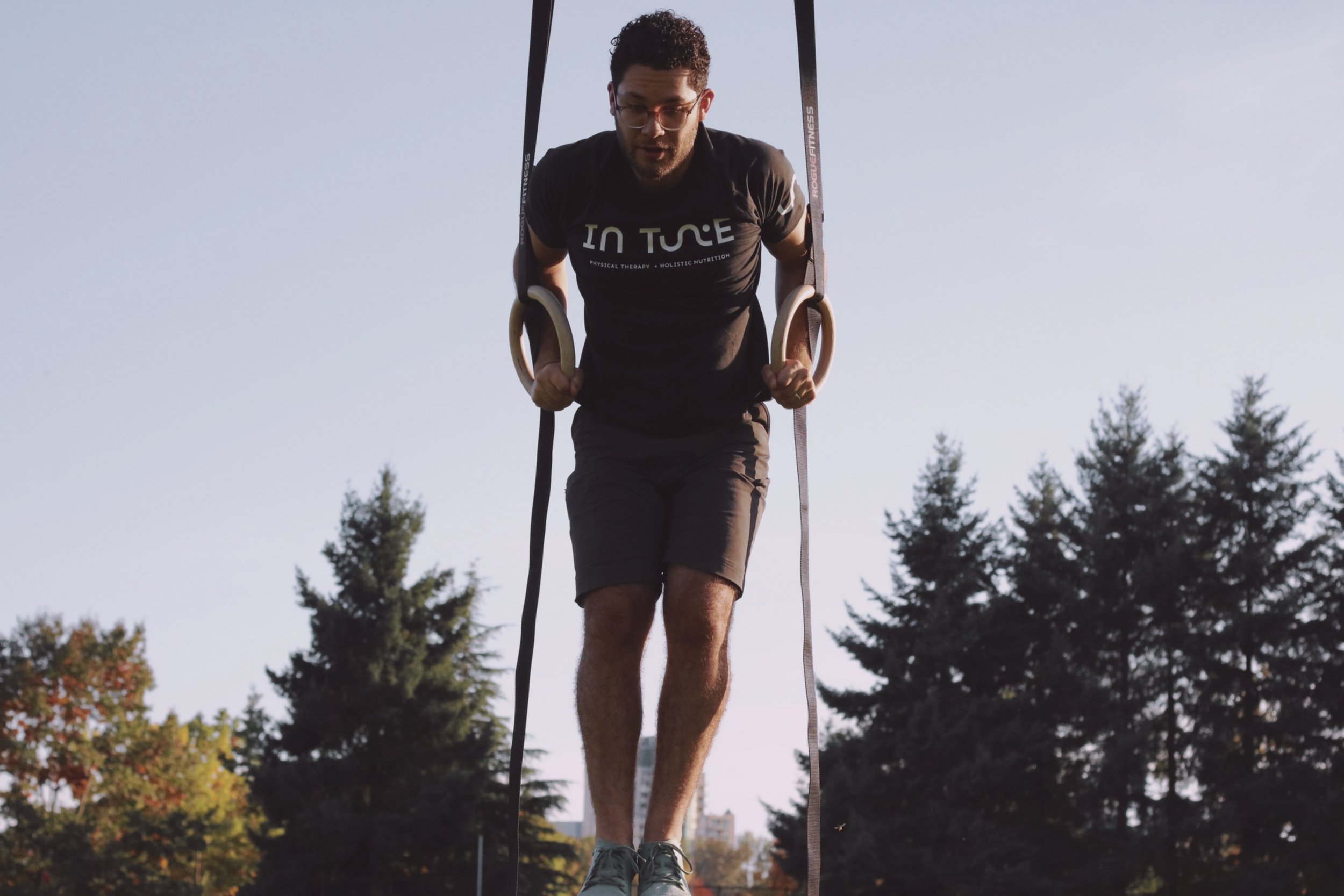
My experience dealing with chronic pain led me to question what I knew about the body. Why didn’t physiotherapy or massage therapy work me? How did I develop such a chronic case of sciatica despite being young and active? What changed about my condition when I tried the new deadlift technique and experienced relief?
These were just some of the questions that I couldn’t find answers to. I went on to study physical therapy, and took additional courses in athletic rehab, chronic pain, dry needling, lymphatic drainage, visceral manipulation, and holistic nutrition. After searching for a deeper understanding of anatomy, movement, and the treatment of pain and injury, I worked to develop a system that would capture the best of biomechanics, pain science, and neurophysiology. My hope was to provide better and more consistent results to people seeking movement and rehab services, as well as to help other clinicians gain clarity and confidence in their work. As I continue to refine my approach, I aim to delve deeper into an evidence and experience-based understanding of the nervous system.
The beautifully complex web of nerves and neurons that makes up our nervous system allows us to feel, think, and act the way we do: sensing the world around us, processing all kinds of physical, cognitive, emotional, and social information, and coordinating our actions accordingly. Understanding the nervous system’s involvement all of our body’s processes is key to understanding why our body seems to follow a logic that flows deeper than our consciousness. Nothing in the body is purely physical or purely psychological: everything is connected through the nervous system.
Nothing in the body is purely physical or purely psychological: everything is connected through the nervous system.
Looking through the lens of the nervous system is both rational and intuitive; it allows us to understand complex bodily phenomena while appreciating the multilayered nature of our being. Fundamentally, it is about learning how to speak the language of the body—acknowledging the truth of how our body is behaving and it encouraging us to question the things we think we know about our body.
If this resonates with you, you’re in the right place